
Roof Replacement in Harrison Avenue, Kearny, NJ
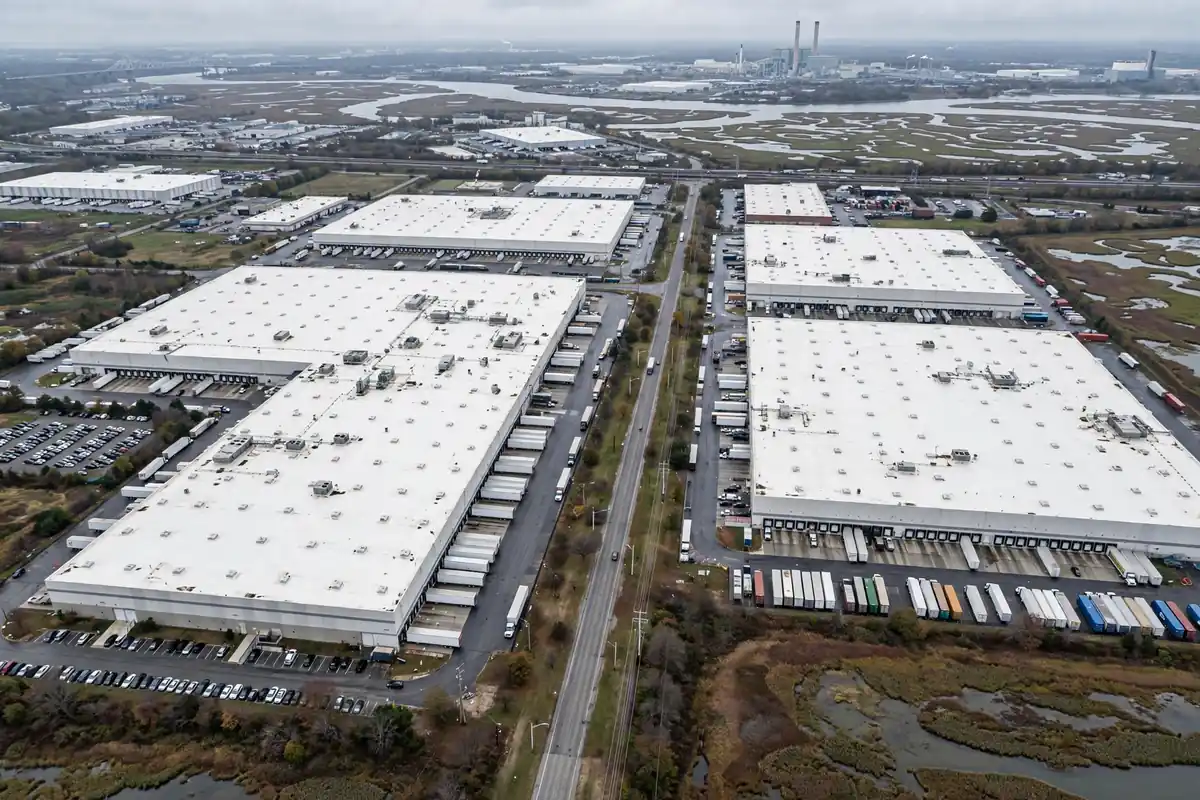
The corridor toward Harrison with commercial-residential mix. We do both storefront low-slope work and the homes behind them. All work in Harrison Avenue, Kearny, NJ 07032.
Roofing on Harrison Avenue, Kearny, NJ 07032
Harrison Avenue is Kearny’s working corridor: warehouses, industrial buildings, auto and commercial shops, and commercial properties running from the Passaic River toward the Harrison town line. The roofs here are big, flat, and hardworking — tens of thousands of square feet of membrane carrying HVAC units, exhaust fans, vents, and decades of service traffic. Replacement on Harrison Avenue is capital planning, not home improvement: the questions are lifespan, disruption, drainage, and documentation, and the answers come from moisture surveys and core cuts, not curb appeal.
Common Roof Types on Harrison Avenue
EPDM and modified bitumen dominate the older industrial roofs — decades-old black rubber and multi-ply systems, many with patch histories that read like tree rings. TPO is the standard for new replacements: heat-welded seams, white reflectivity cutting summer heat load on cavernous unconditioned spaces, and good chemical resistance. Built-up (BUR) roofs survive on some of the oldest buildings. The universal features: minimal original slope (dead flat is the norm), parapets or gravel stops at the edges, large rooftop equipment populations, and drains that have been neglected since installation. Ponding is not a risk here; it is the existing condition.
Local Factors That Change the Work Here
Scale and drainage dominate. A Harrison Avenue replacement is primarily a drainage-correction project wearing a membrane replacement’s clothes: tapered insulation designed per-building to move water to drains and scuppers, new sumps, crickets around the rooftop equipment that currently dams water. Operations continuity is second: these are working businesses, so phasing keeps every section watertight nightly, crane picks and deliveries are scheduled around truck traffic and shifts, and interior protection goes under active zones. The river proximity is third: the corridor’s low elevation and flood history mean we discuss flood-zone implications for rooftop equipment and drainage discharge honestly — the roof must shed water even when the ground cannot.
What Replacement Day (and Week) Looks Like on Harrison Avenue
Think weeks, not days: a 20,000-square-foot warehouse roof phases across two to four weeks depending on deck condition and equipment density. It starts with the moisture survey and a phasing plan you approve — which sections when, where the crane sets, how truck access stays open. Each phase tears off, re-insulates with tapered slopes, membranes, flashes, and goes watertight before the next opens. Daily cleanup is industrial-grade: this corridor runs on trucks, and the site stays navigable. Closeout brings the warranty paperwork, as-built drawings of the tapered layout, drain test records, and the photo file — the documentation package a commercial owner actually needs.
| Neighborhood | Harrison Avenue — industrial/commercial corridor, Kearny, NJ |
|---|---|
| ZIP Code | 07032 |
| Housing stock | Warehouses, industrial buildings, commercial shops; large flat footprints |
| Common roof types | EPDM, modified bitumen (older); TPO (new work); some built-up roofs |
| Streets & landmarks | Harrison Ave corridor; Passaic River; Harrison town line; Lincoln Hwy connections |
| Key local challenge | Dead-flat decks with chronic ponding; equipment-crowded roofs; flood-zone elevation |
Roofing Needs in Harrison Avenue
Kearny's nor'easters, snow, and humid summers take a steady toll on roofs across Harrison Avenue. Homes here typically wear architectural shingles are the standard replacement, with slate restoration on historic homes and TPO/EPDM on flat roofs — and ice dams and aging roofs mean small issues escalate fast. Our free inspection documents everything with photos.
Replacement Services Available in Harrison Avenue
- Skylight Replacement During Reroof
- Commercial Roof Replacement
- Asphalt Shingle Roof Replacement
- Slate Roof Replacement
- Metal Roof Replacement
- Flat Roof Replacement (TPO & EPDM)
Nearby Areas We Also Serve
Manor Section
Roof replacement in Manor Section, Kearny.
South Kearny
Roof replacement in South Kearny, Kearny.
Schuyler
Roof replacement in Schuyler, Kearny.
Quincy Avenue
Roof replacement in Quincy Avenue, Kearny.
Replacement Services by Type in Harrison Avenue
- Asphalt Shingle Roof Replacement in Harrison Avenue
- Commercial Roof Replacement in Harrison Avenue
- Emergency Roof Replacement in Harrison Avenue
- Energy-Efficient Cool Roof Replacement in Harrison Avenue
- Flat Roof Replacement (TPO & EPDM) in Harrison Avenue
- Insurance Claim Roof Replacement in Harrison Avenue
- Metal Roof Replacement in Harrison Avenue
- Partial Roof Replacement in Harrison Avenue
- Roof Tear-Off & Redecking in Harrison Avenue
- Skylight Replacement During Reroof in Harrison Avenue
- Slate Roof Replacement in Harrison Avenue
- Storm Damage Roof Replacement in Harrison Avenue
Helpful Guides
Storm Damage Roof Replacement in Kearny: A Homeowner's Guide
Guide from Roof Replacement Team.
Roof Warranties Explained: What Kearny Homeowners Actually Get
Guide from Roof Replacement Team.
Planning a Roof Replacement in Harrison Avenue
Planning starts with the free inspection: we photo-document the roof and attic, then lay out repair, partial, or full replacement with honest remaining-life estimates per slope. In Harrison Avenue, where the housing stock runs to warehouses, industrial buildings, commercial shops; large flat footprints, the right scope is rarely the obvious one — the inspection evidence decides, not a sales script. Local conditions shape the specification too: dead-flat decks with chronic ponding; equipment-crowded roofs; flood-zone elevation is the factor we engineer around here, from material choice to flashing details to ventilation math. Scheduling is planned around the neighborhood — school zones, tight streets, tenant routines — and every estimate is itemized line by line (tear-off, per-sheet deck allowance, underlayment, ice-and-water shield, flashing, ventilation, cleanup, permit) so you compare bids on scope, not slogans. When the signs show — curling shingles, ceiling stains, granules in the gutters — call (888) 974-0663. The inspection is free, and the photos are yours to keep.
Frequently Asked Questions
Do you replace roofs in Harrison Avenue?
Yes — Roof Replacement Team regularly completes roof replacements throughout Harrison Avenue and the wider Kearny area. Call (888) 974-0663 for a free on-site estimate.
How much does roof replacement cost in Harrison Avenue?
Pricing in Harrison Avenue follows Kearny-wide rates and depends on the home: roof size, pitch, number of penetrations, deck condition, and material choice all move the number. Every estimate is free, itemized, and in writing.
How do you replace a 20,000 sq ft warehouse roof without shutting us down?
Phasing: the roof is divided into sections, each torn off, insulated, and made watertight the same day. Crane picks and deliveries schedule around your shifts and truck traffic. Your operation continues — the roof project works around the business, not the reverse.
Our roof ponds everywhere. Can tapered insulation really fix it?
Yes — that is its job. Tapered polyisocyanurate is custom-designed per building to build positive slope to drains and scuppers where the deck is dead flat. We provide the tapered layout as part of the scope, and water-test the drains at closeout. Chronic ponding is a design problem with a design solution.
TPO or EPDM for our Harrison Avenue building?
White TPO for heat-welded seams and summer heat-load reduction on big unconditioned spaces; EPDM for the longest proven track record and simpler repairs. Chemical exhaust or heavy service traffic can push the decision — the moisture survey and a look at your rooftop operations decide. We install both.
What about the roof during flood events?
The roof’s job is to shed water regardless of ground conditions — positive drainage, sealed penetrations, and protected equipment curbs. We also flag rooftop equipment elevations relative to flood history so you can plan. Honest scope: the roof cannot fix site flooding, but it must not add to it.